I agree we should avoid blanket statements, which is why your statement "current metal AM is more than able to meet material standards" is problematic. What standards? There is no generic "material standards" for all materials, and 3d metal printing is definitely inferior to MOST other manufacturing methods in MOST circumstances, in terms of mechanical properties.
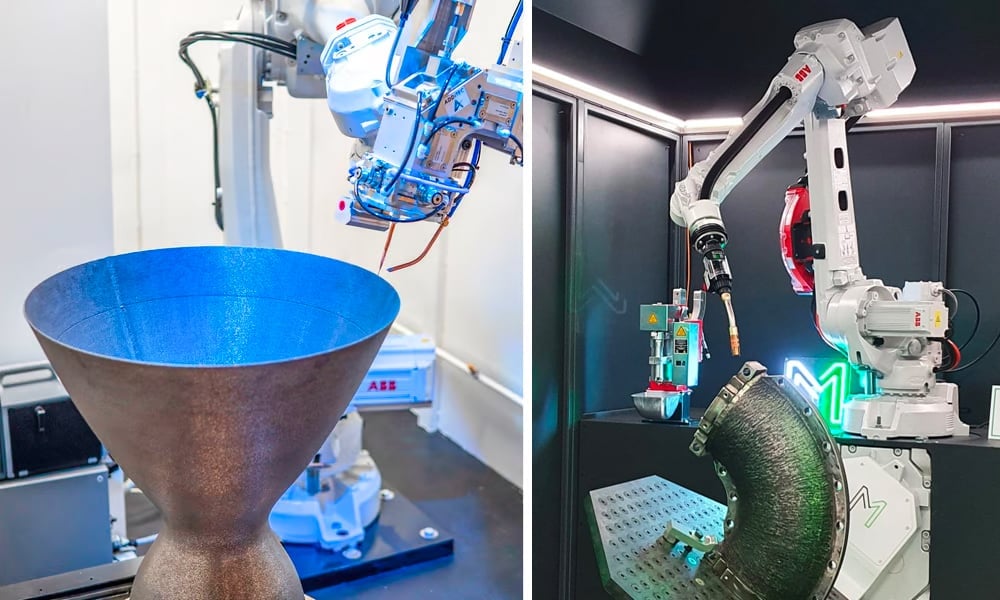
A line has to be drawn somewhere because this is a rabbit hole. Without going into the specifics of ASTM standards, etc., there are metal AM parts flying today in both air and space. IMO, that counts as meeting standards.
The 3D printing they do for aerospace engine parts is certainly very much different from how most metal 3d printing is done. Because the requirements are completely different, and the budgets that aerospace have available to them are insanely much bigger.
Right now you can print aerospace quality parts on hardware that's designed for marine grade parts, which we did by testing them to failure.
The only reason why the price is higher for aerospace is that you need to certify the machines and the environment in which they work and that costs an arm and a leg.