My first reaction is that it is disappointing that GUIs haven't changed all that much from Xerox.
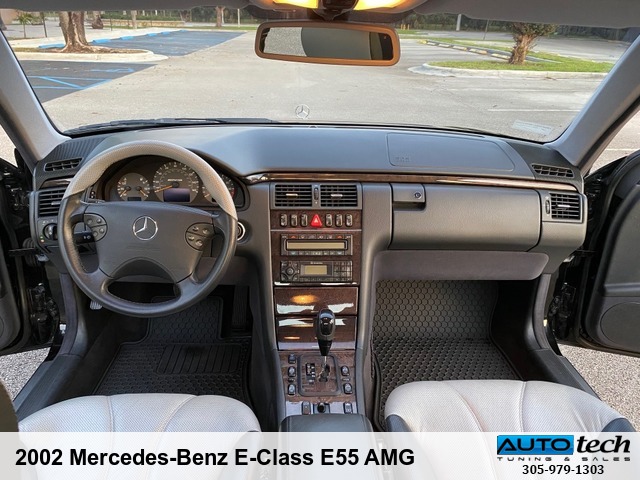
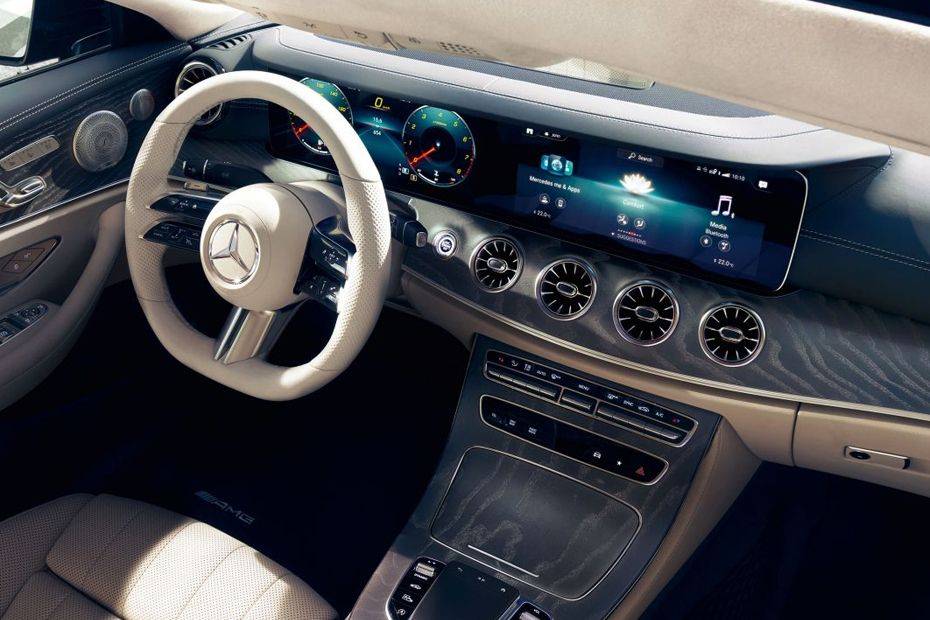
However, on second thought, how different is the user interface on a car from the 30s from a modern car? So maybe it isn't surprising that the GUI hasn't radically changed
> how different is the user interface on a car from the 30s from a modern car
A lot I would say, even on a much smaller time scale.
The features are completely different besides the very basic odometers which anyway look very different and present much different information. A modern car not only has much more features, but even the way of consuming the old ones is radically different, and not just because of the switch from analog to digital, e.g. steering wheels have seen a massive amount of analog buttons and levers.
There's only so much efficiency and clarity that can be squeezed out of a GUI.
Familiarity and consistency are themselves powerful elements of UI/UX.
Upshot: stop fucking with the interface.
Apple, renowned for design, has essentially only ever offered two GUIs, "Classic Mac" (1984--1999) and "Aqua" (1999--2022) Note that the second has been in use longer than Classic, by over 60% (23/16 ~= 1.64).
Good UIs don't change.
Apple have tweaked at the edges, changed some of the styling and colours, and added features (e.g., workspaces / virtual desktops). But a user of the Classic Mac could sit down at a modern OSX system and figure it put pretty quickly.
(I'm actually not a fan of the interface, though I generally use one based on a precursor / ancestor of it, WindowMaker, based on NeXTStep from the NeXT Machine.)